Your cart is currently empty
Wheat Farming In Kenya
Photo Story.
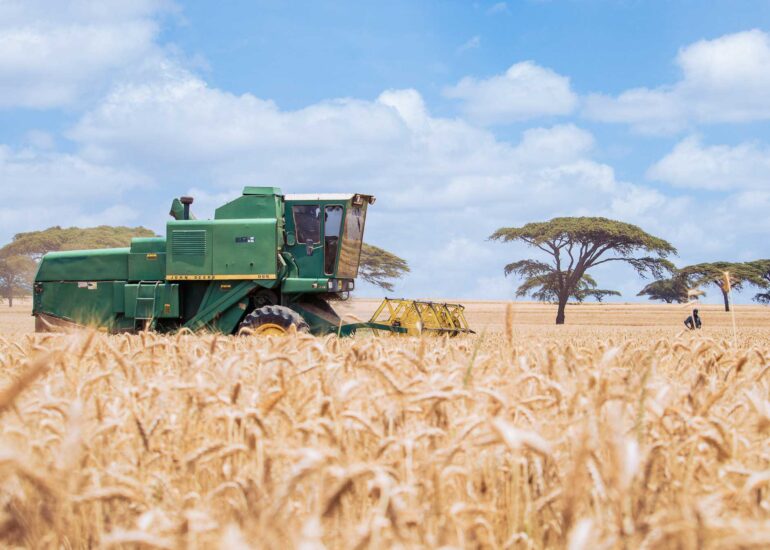
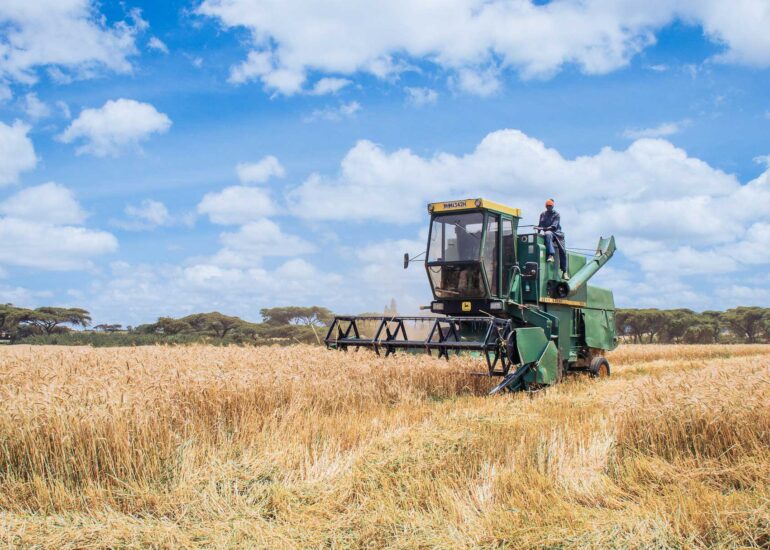
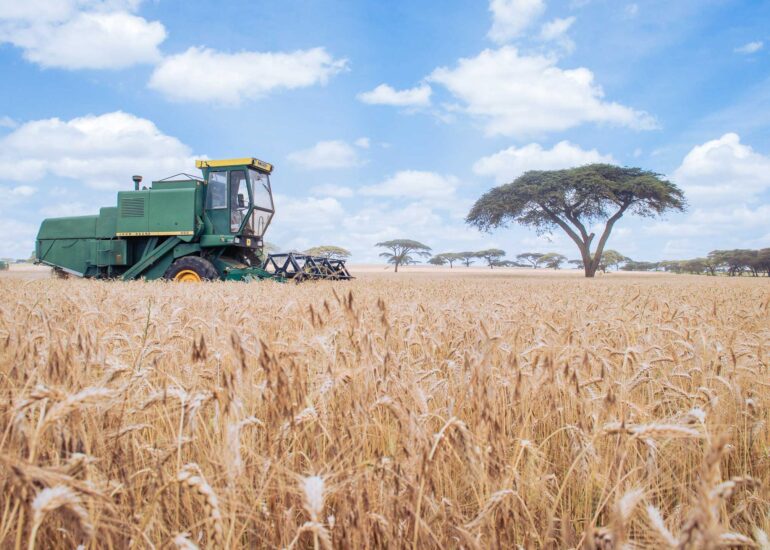
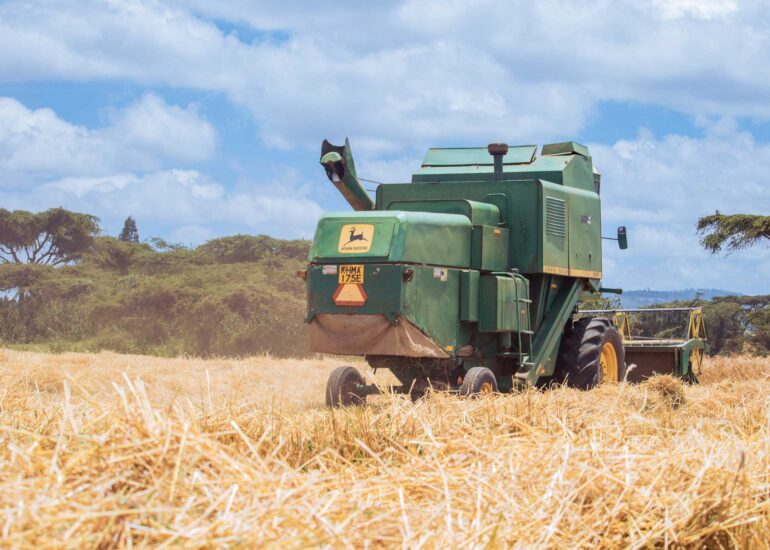
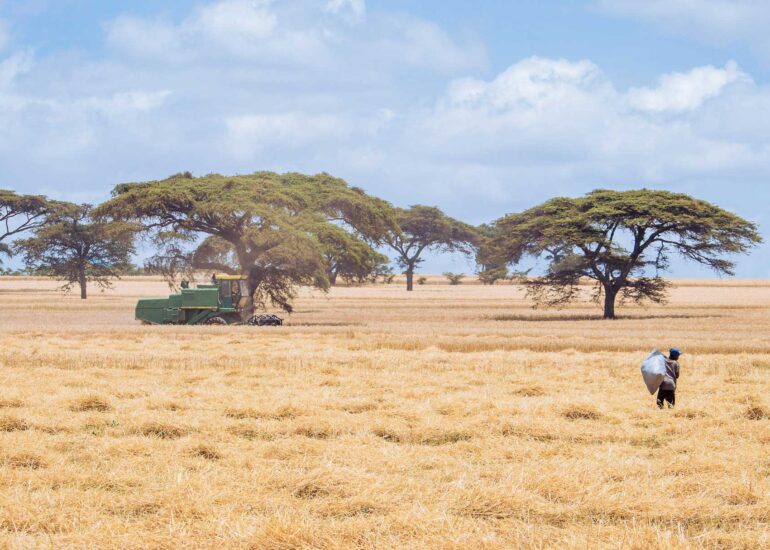
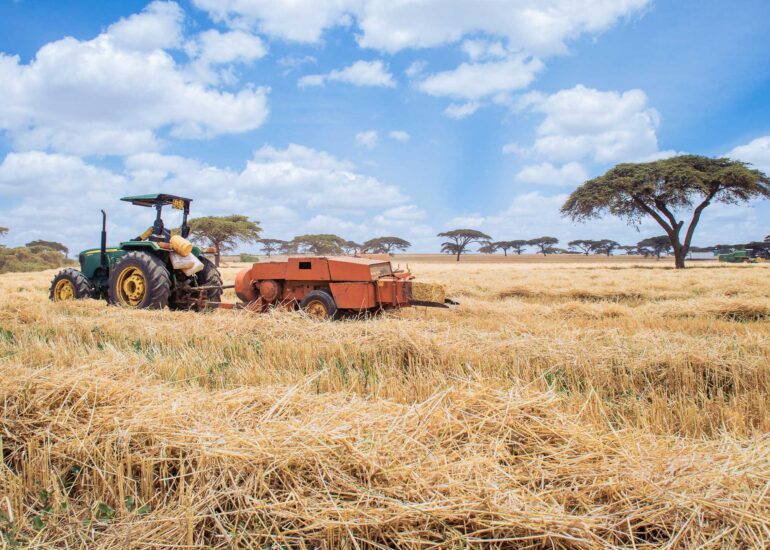
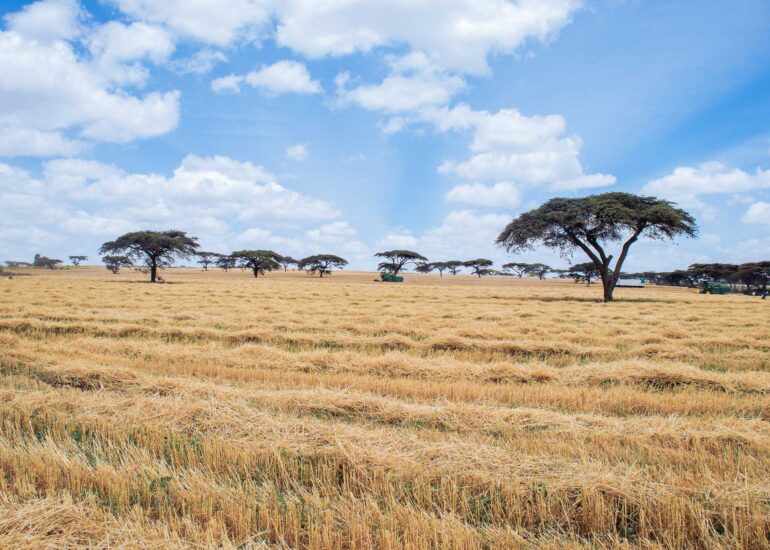
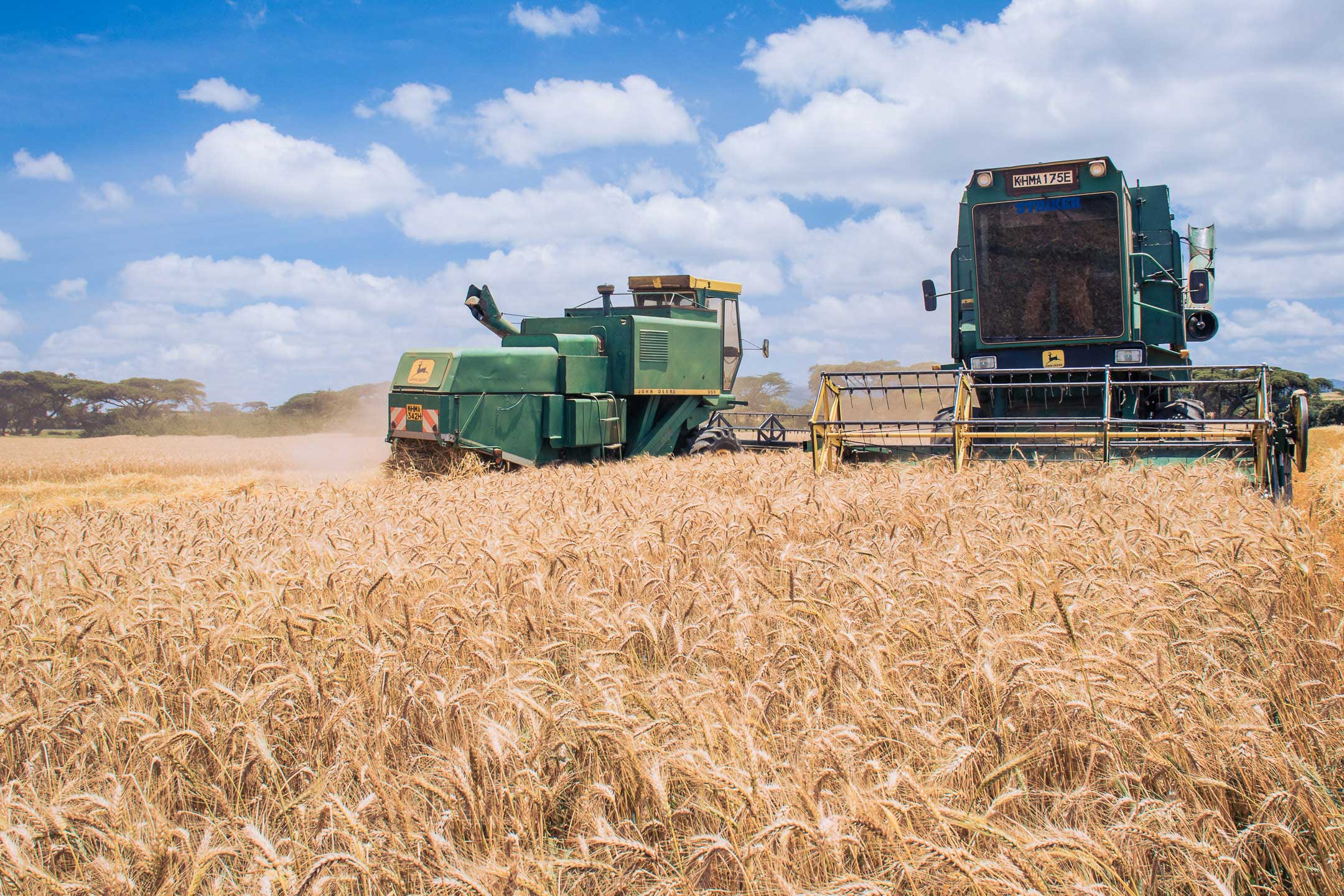
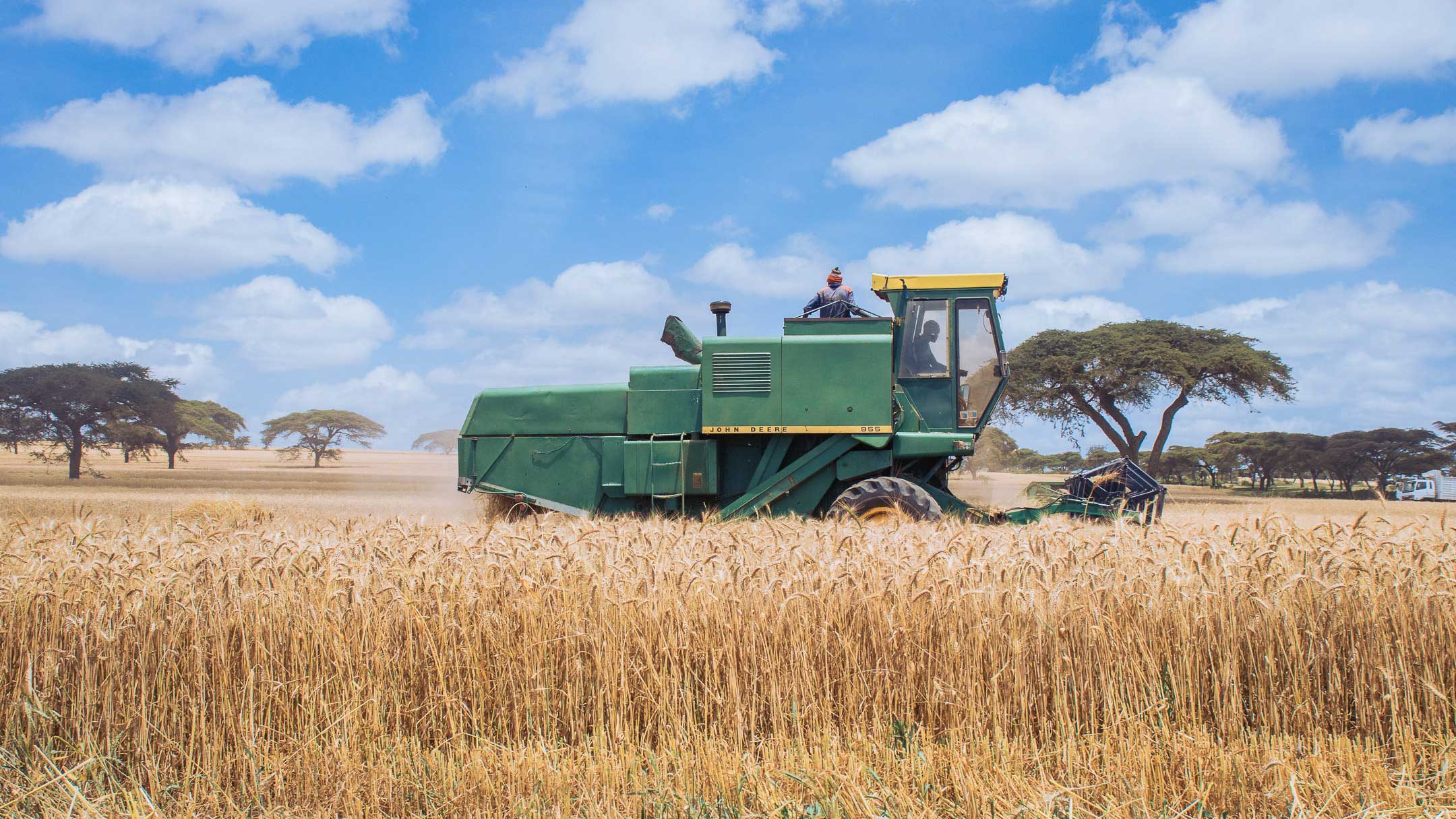
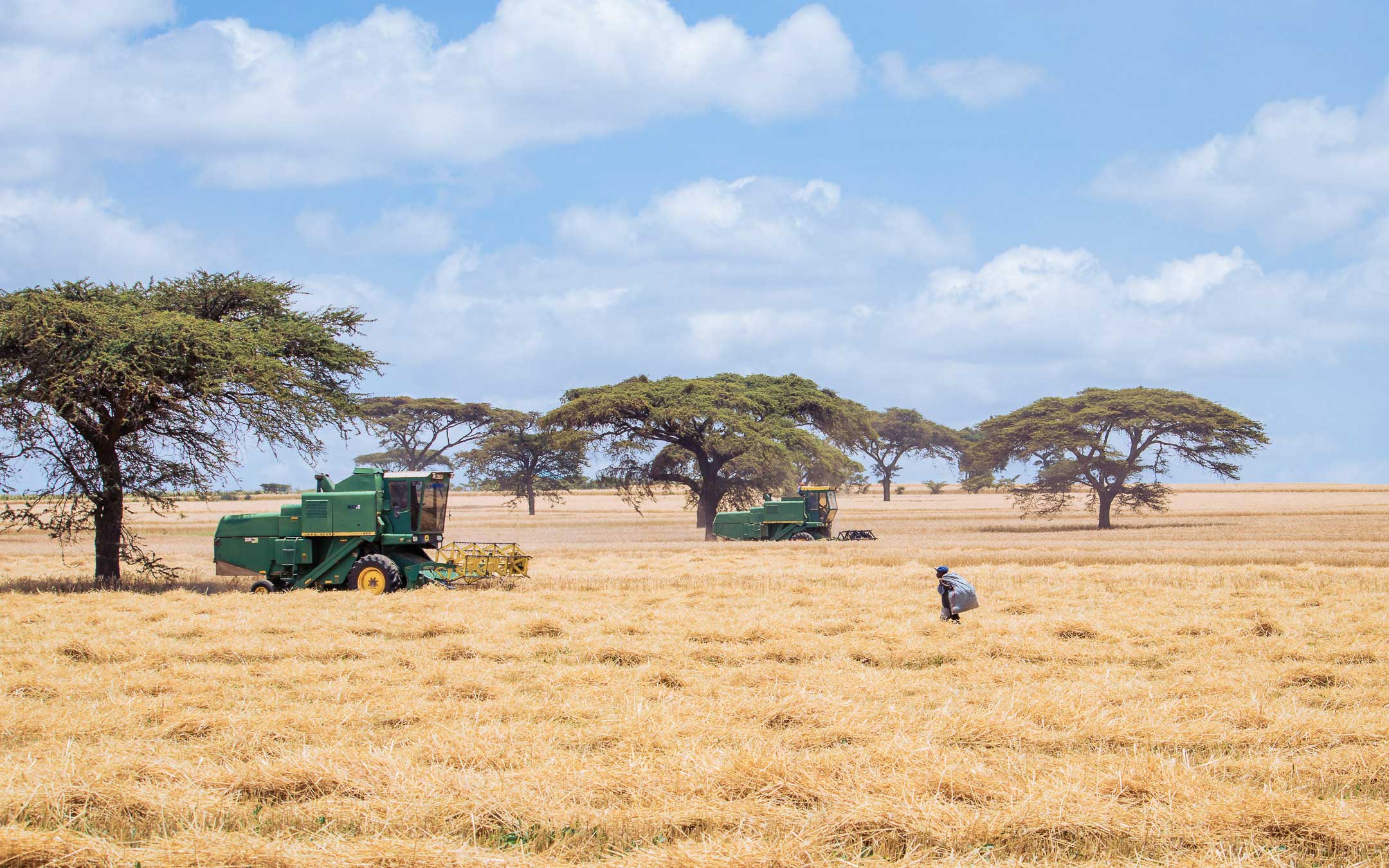
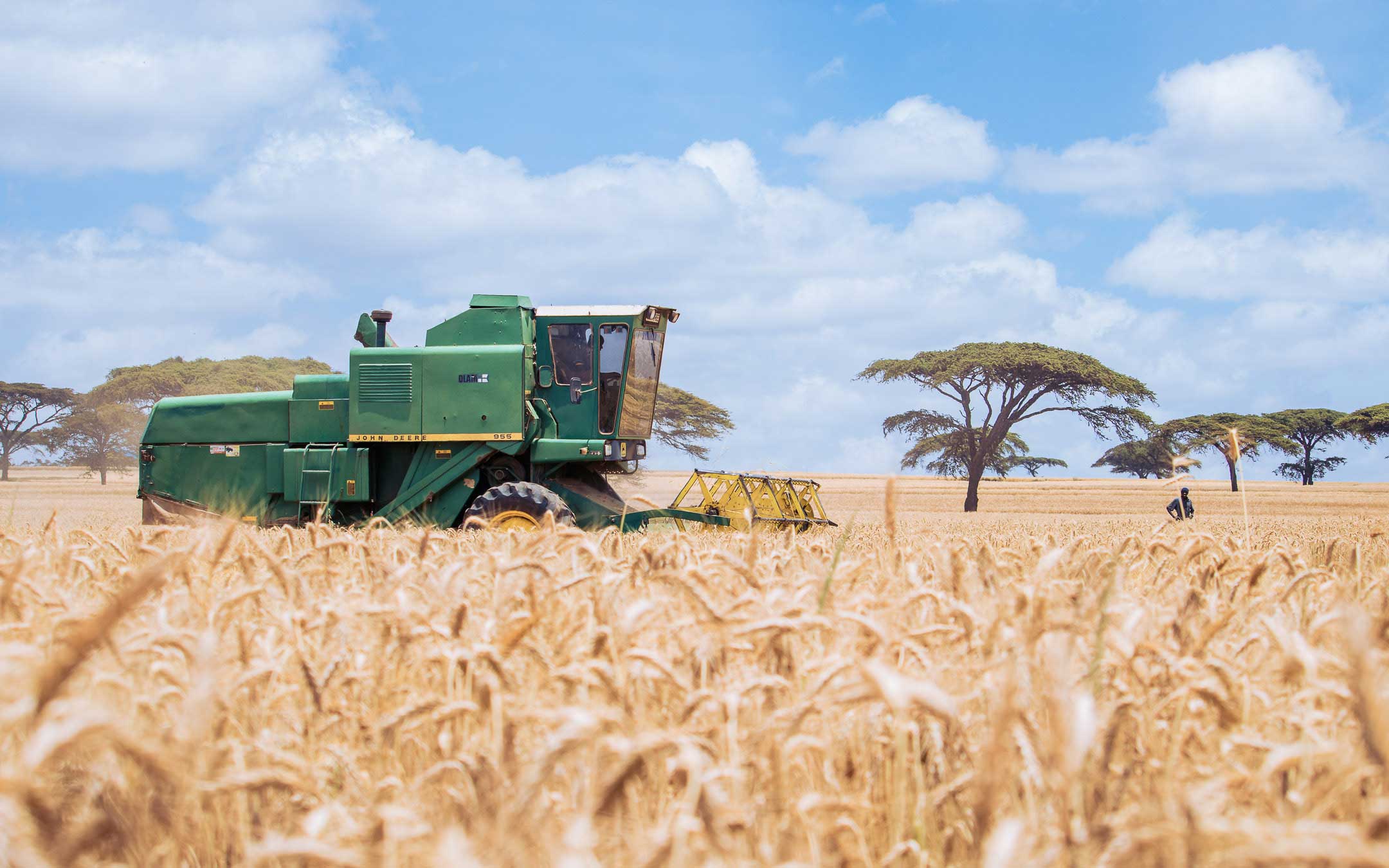
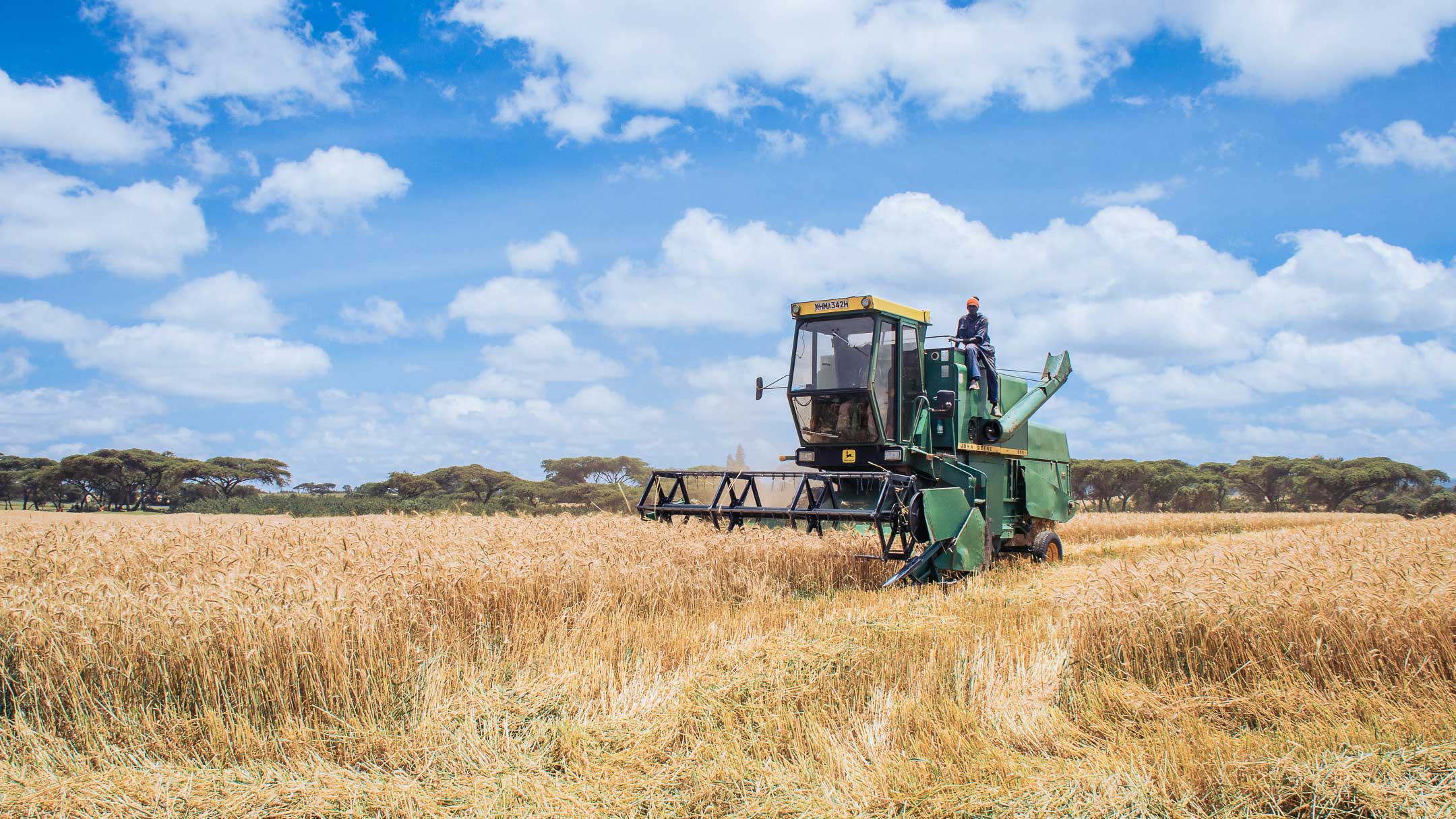
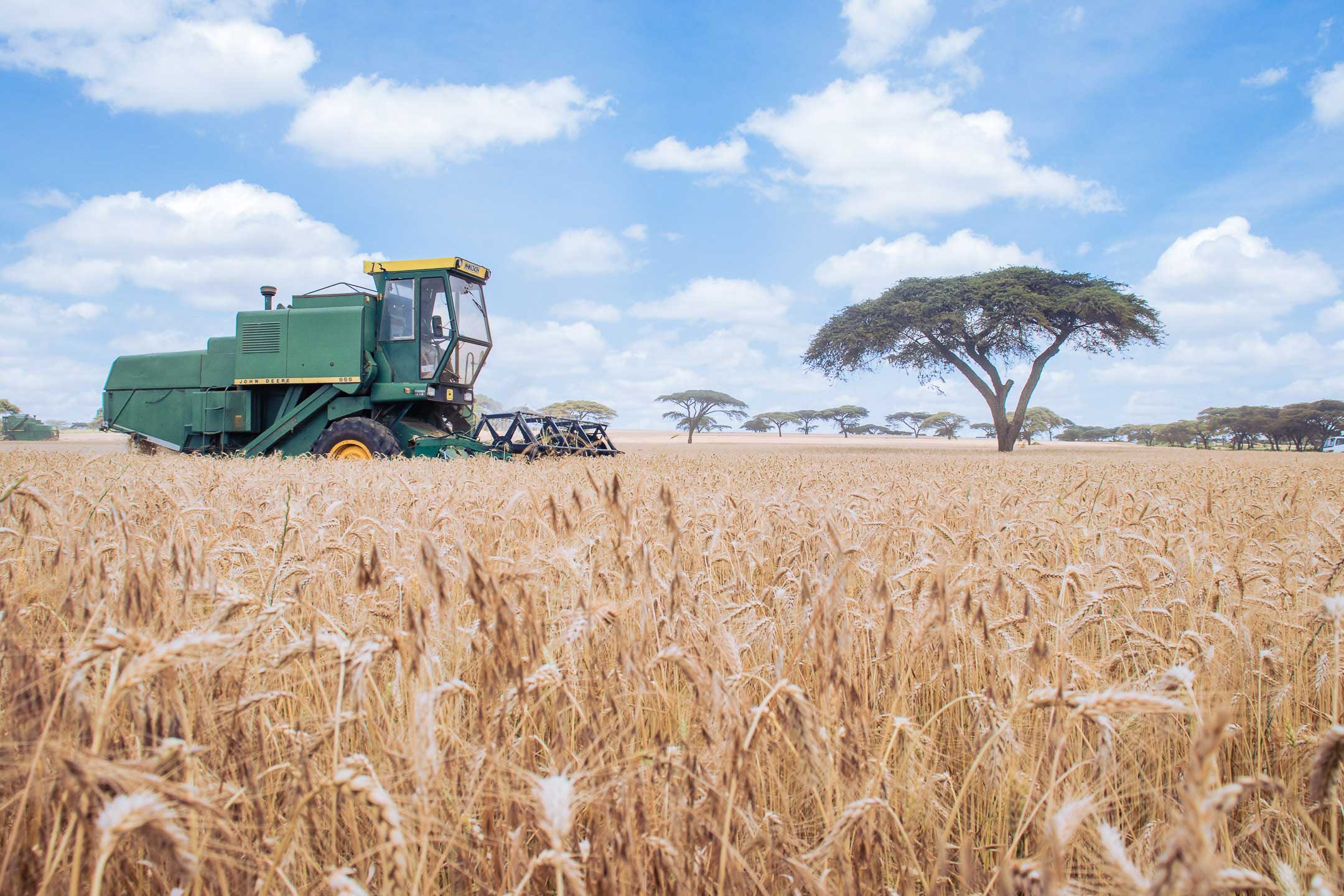
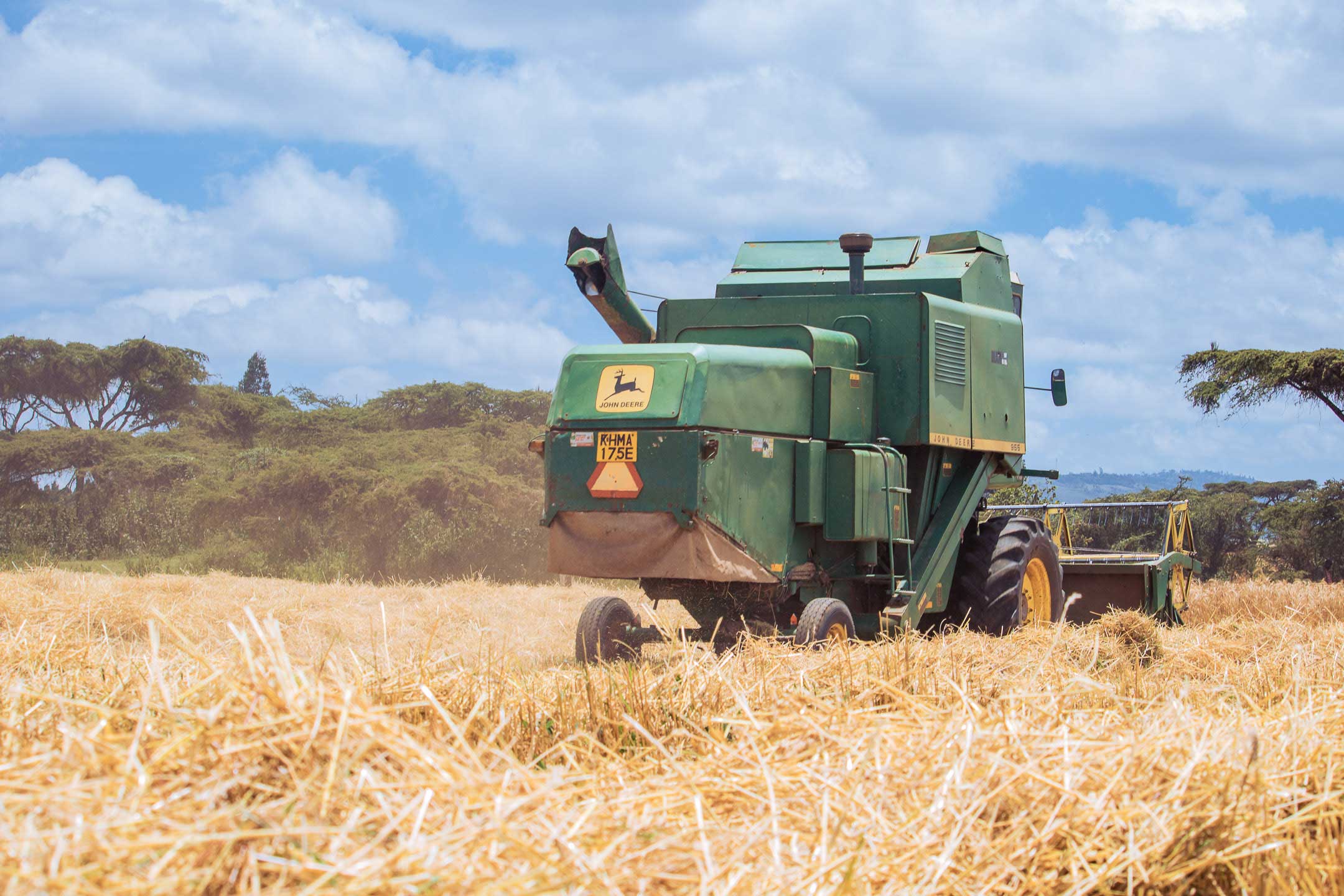
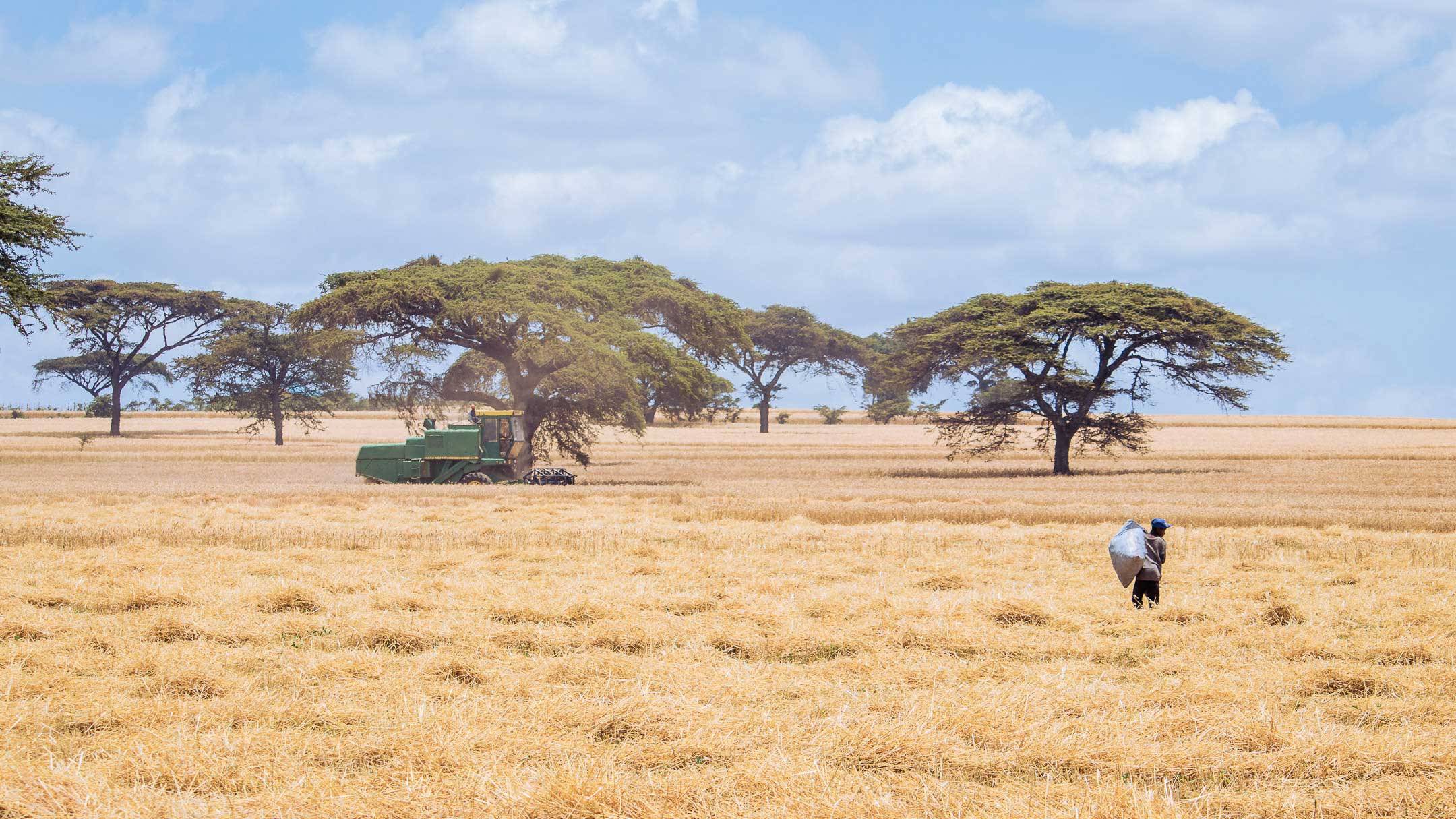
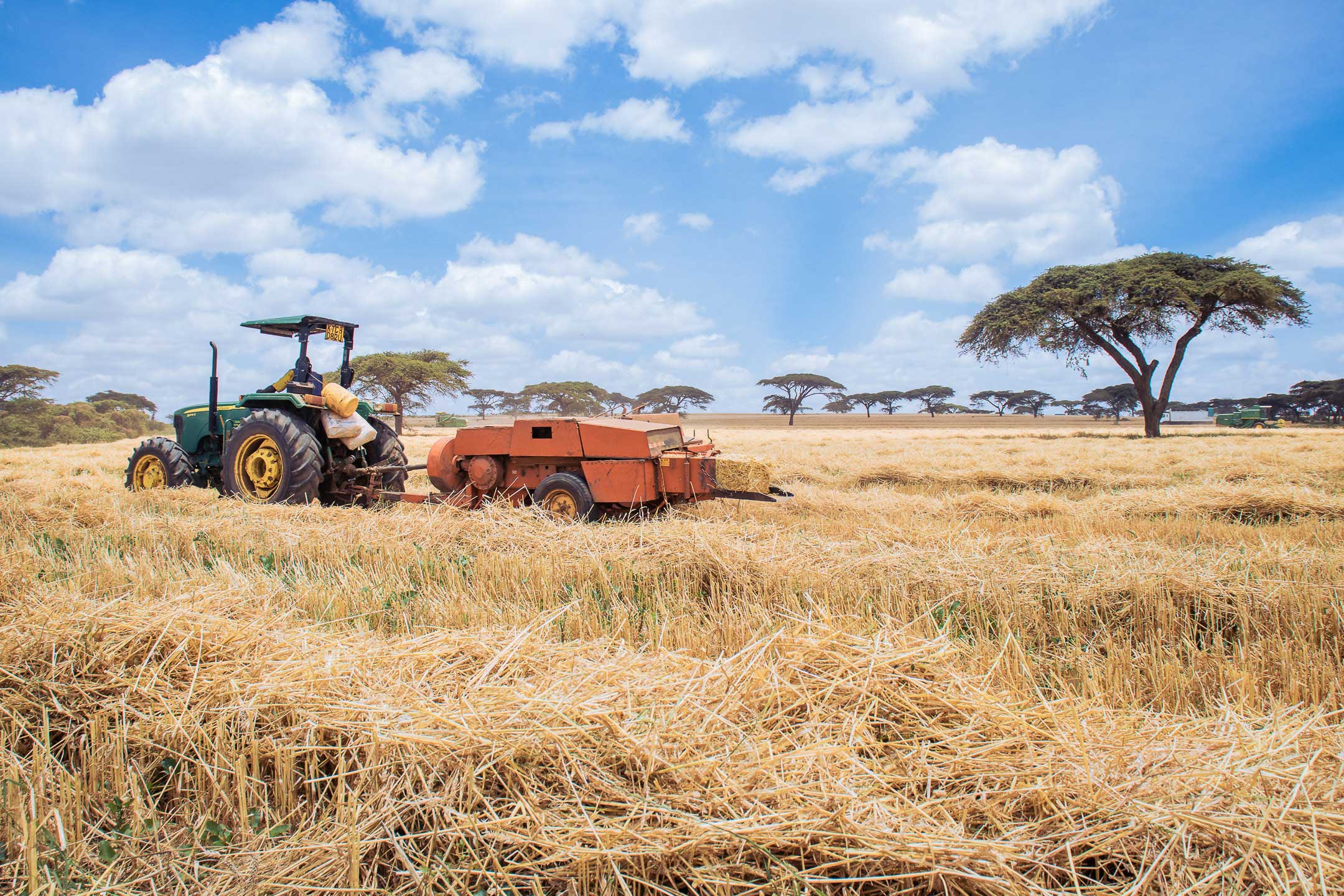
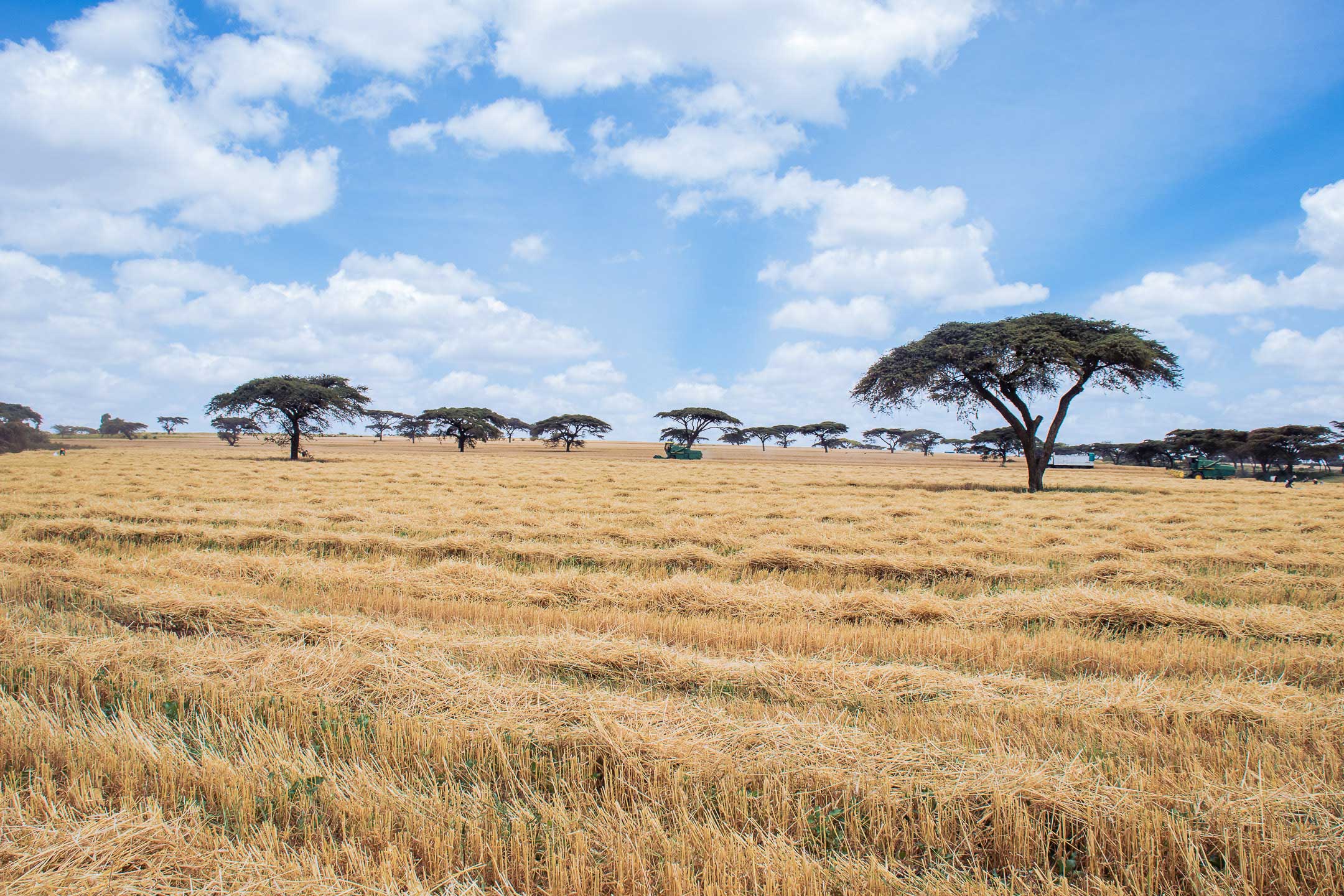
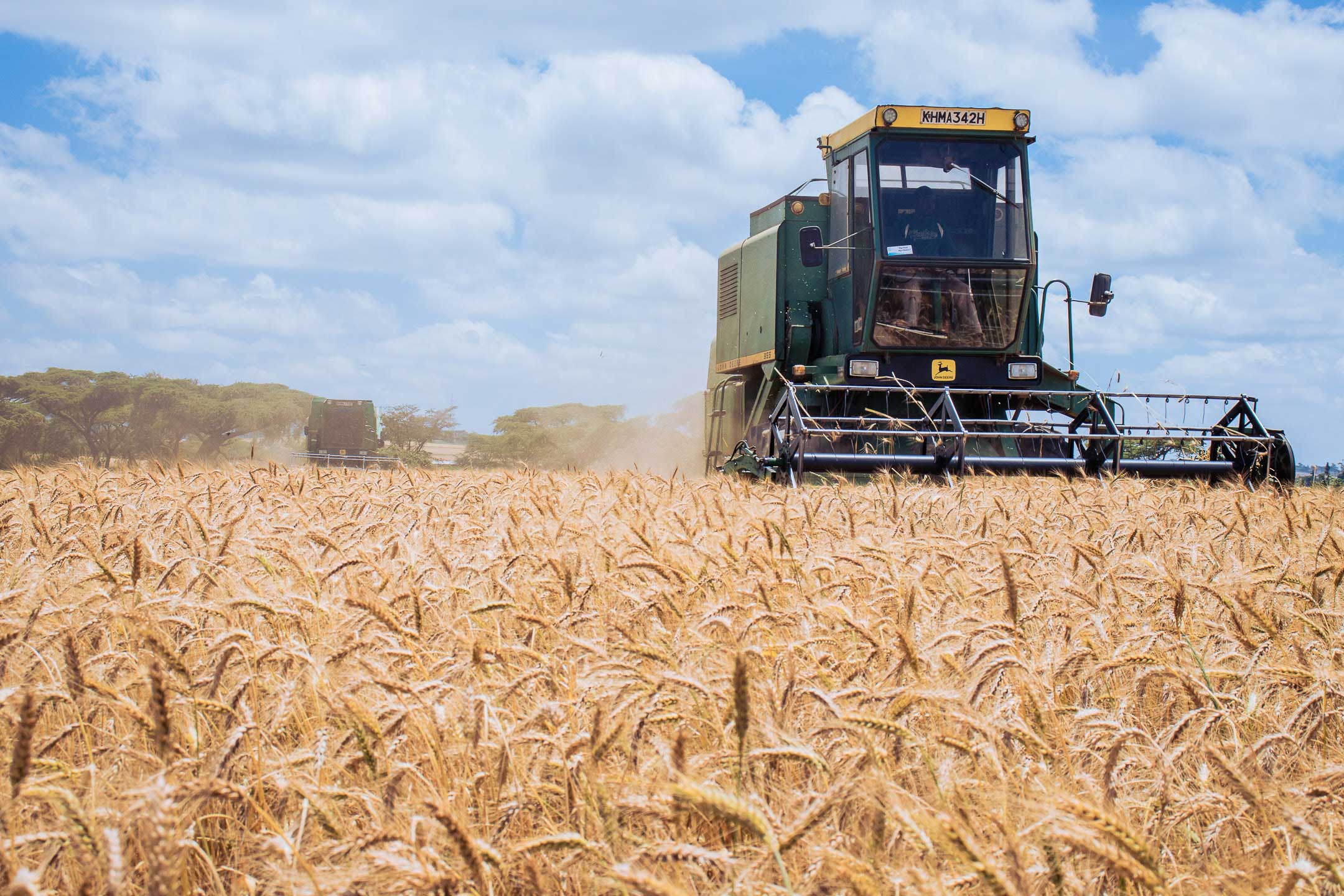
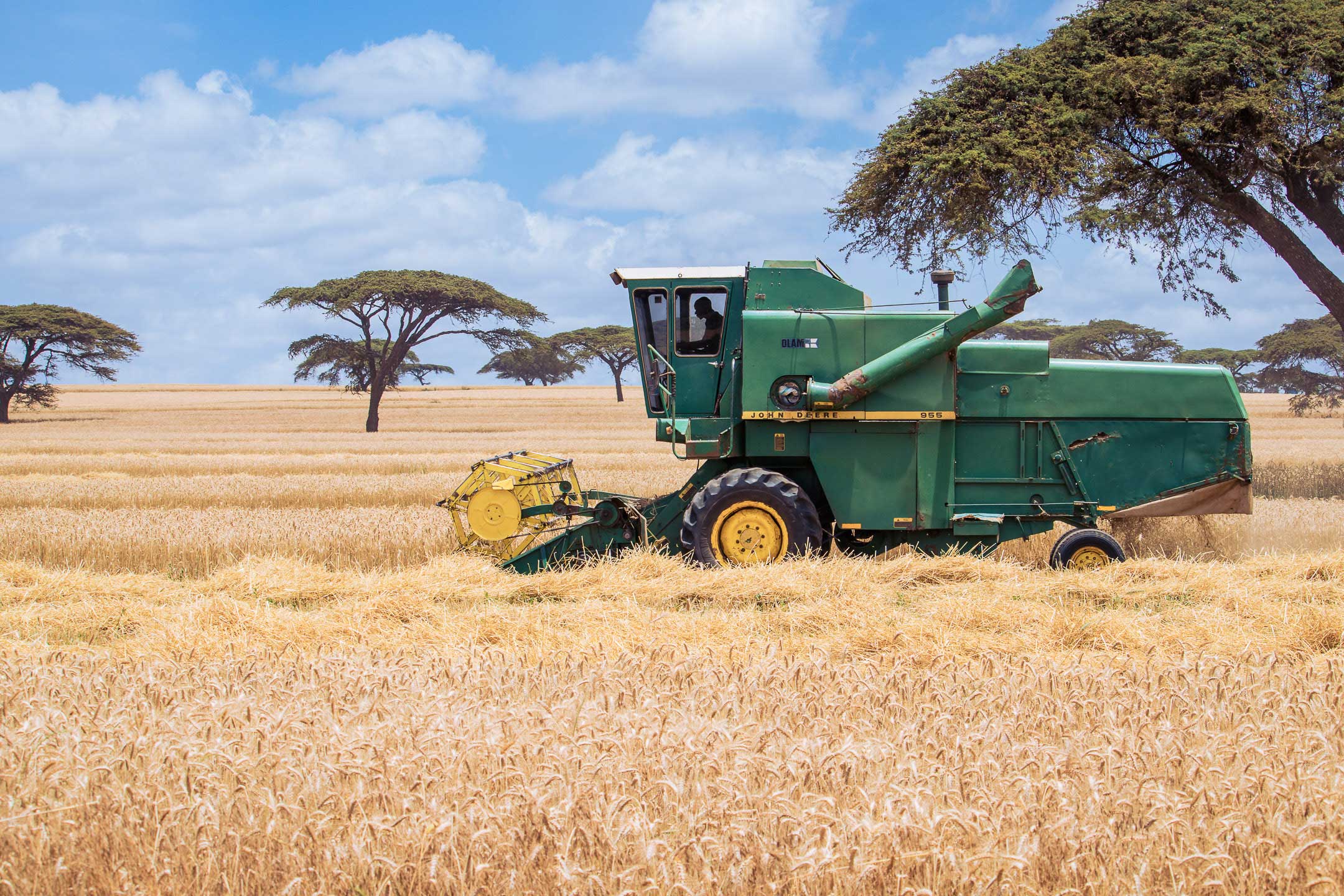
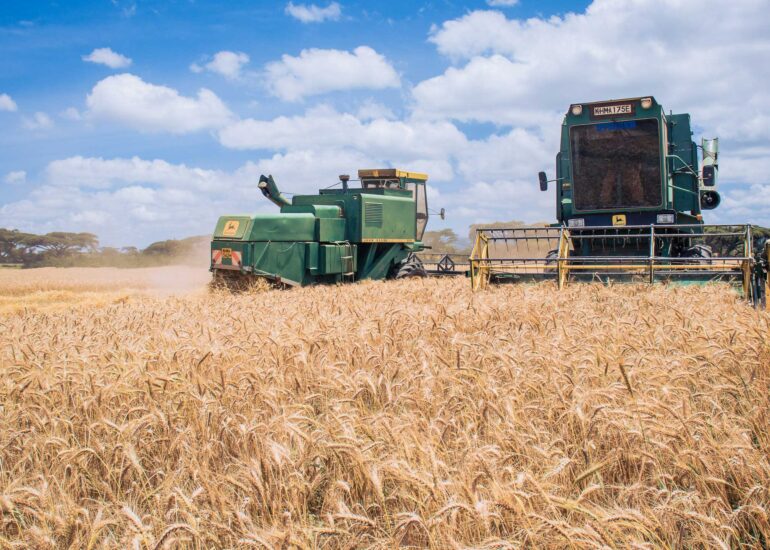
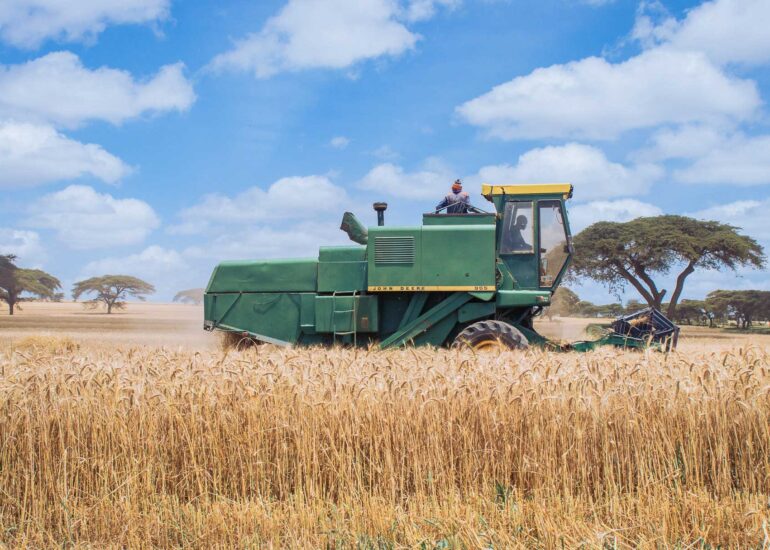
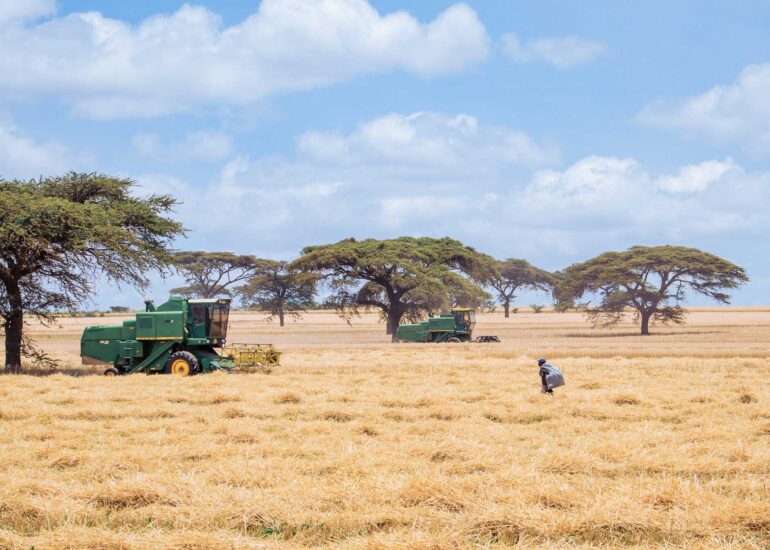
Its mid-morning, the sun is increasingly getting hot and the John Deere combines are working their way through the wheat farms ravaging through the tall wheat stalks. Dust rises and the aim is to harvest all the wheat in the farm and get the job done before noon as the sun tends to get unbearably hot on this side of the Sahara. Seeing this choreographed movement between man and machine as the harvesting went on left my friends and I in awe for the first couple of minutes.
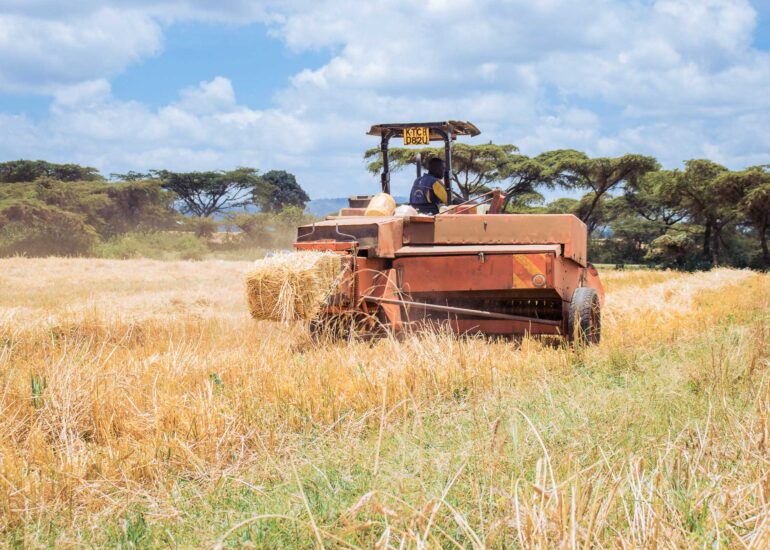
The steps involved in the whole process looked pretty simple but the prowess required is of another level. The combines cut the crop and extract the wheat berries while disposing anything else that is not meaningful. At the side, a grain cart is being driven in between the two combines where it collects and unloads the berries onto the awaiting hopper trucks at the edge of the field that take the berries to a grain elevator.
“THE ULTIMATE GOAL OF FARMING IS NOT THE GROWING OF CROPS, BUT THE CULTIVATION AND PERFECTION OF HUMAN BEINGS….”
–Masanobu Fukuoka
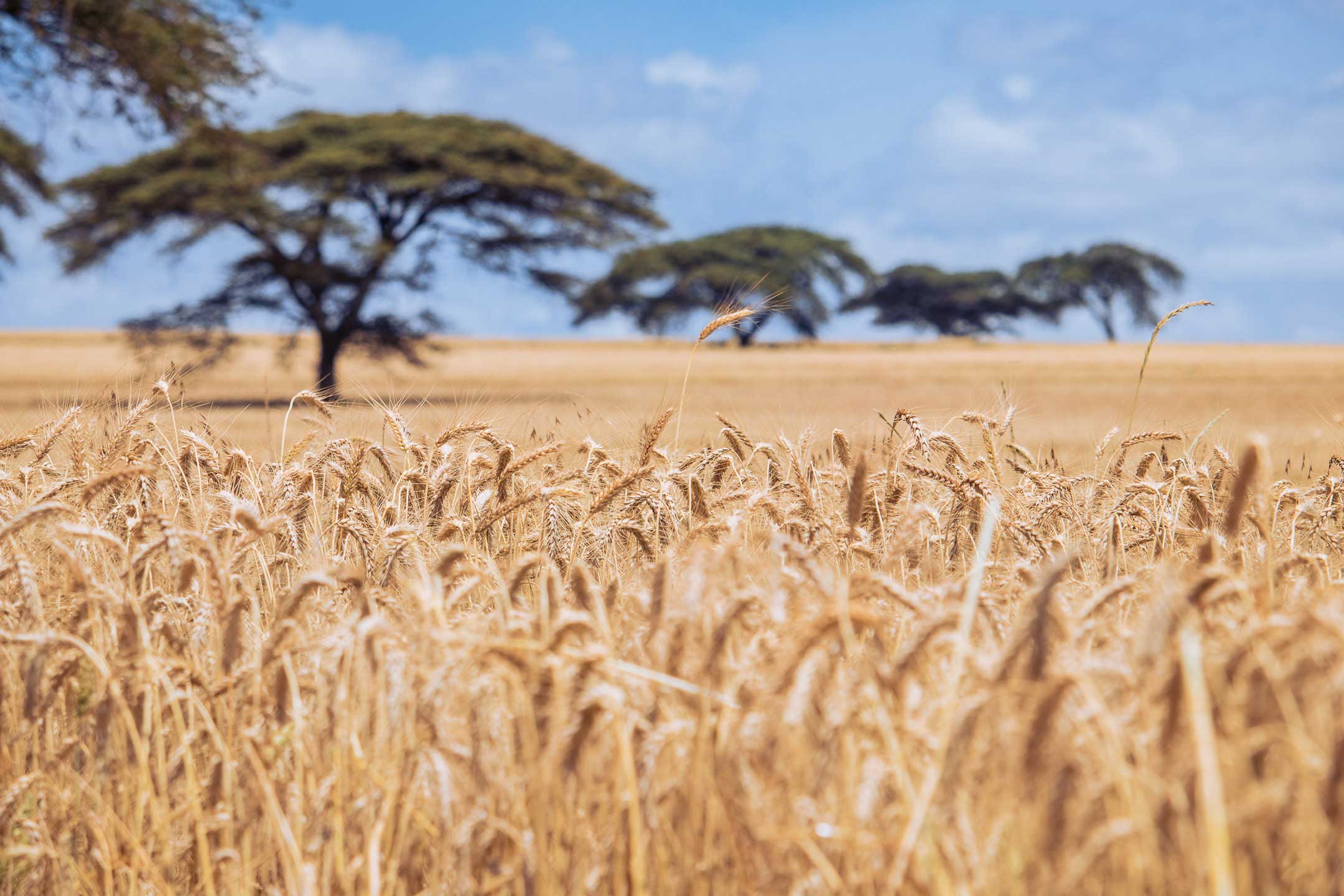
For most people food is normally served on the table ready to eat and we hardly ever ask ourselves what process the food underwent in order for it to arrive at our tables. On average wheat requires 110 and 130 days between sowing and harvesting. This of course is dependent on the climate, seed type and soil conditions.
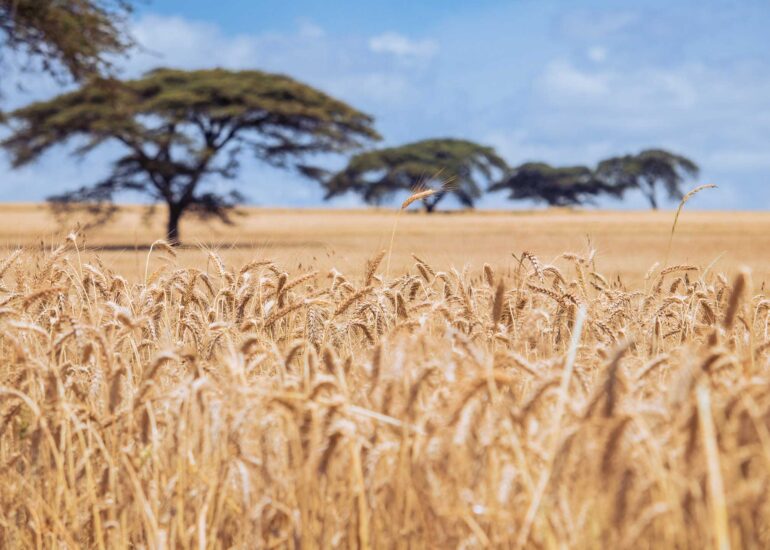
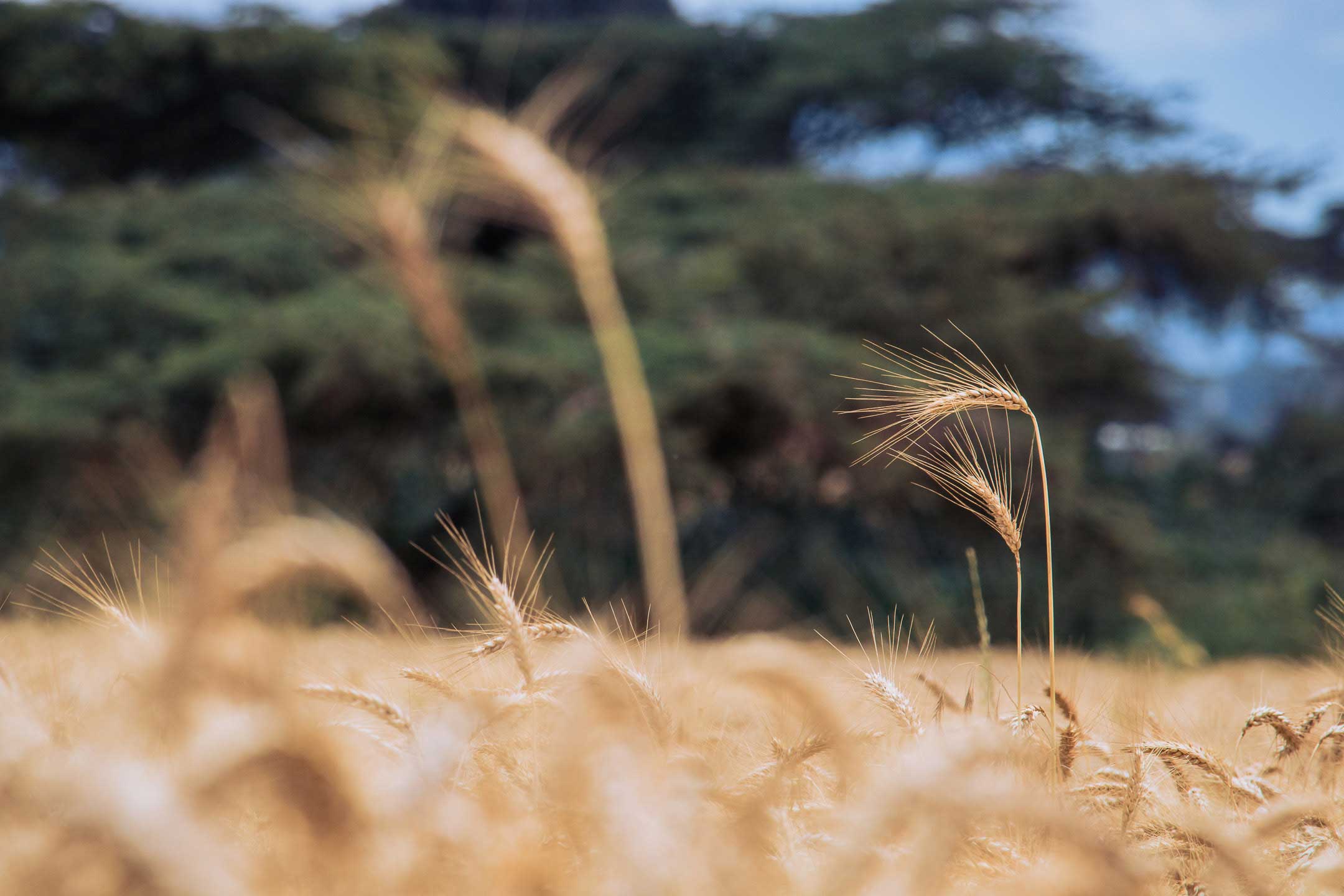
During harvest the combines separate the head which contains the kernel from the stem while at the same time separating kernels from the rest of the inedible plant material. (The Kernel is the seed from which the wheat grows) The kernel is also the part that humans and animals eat.
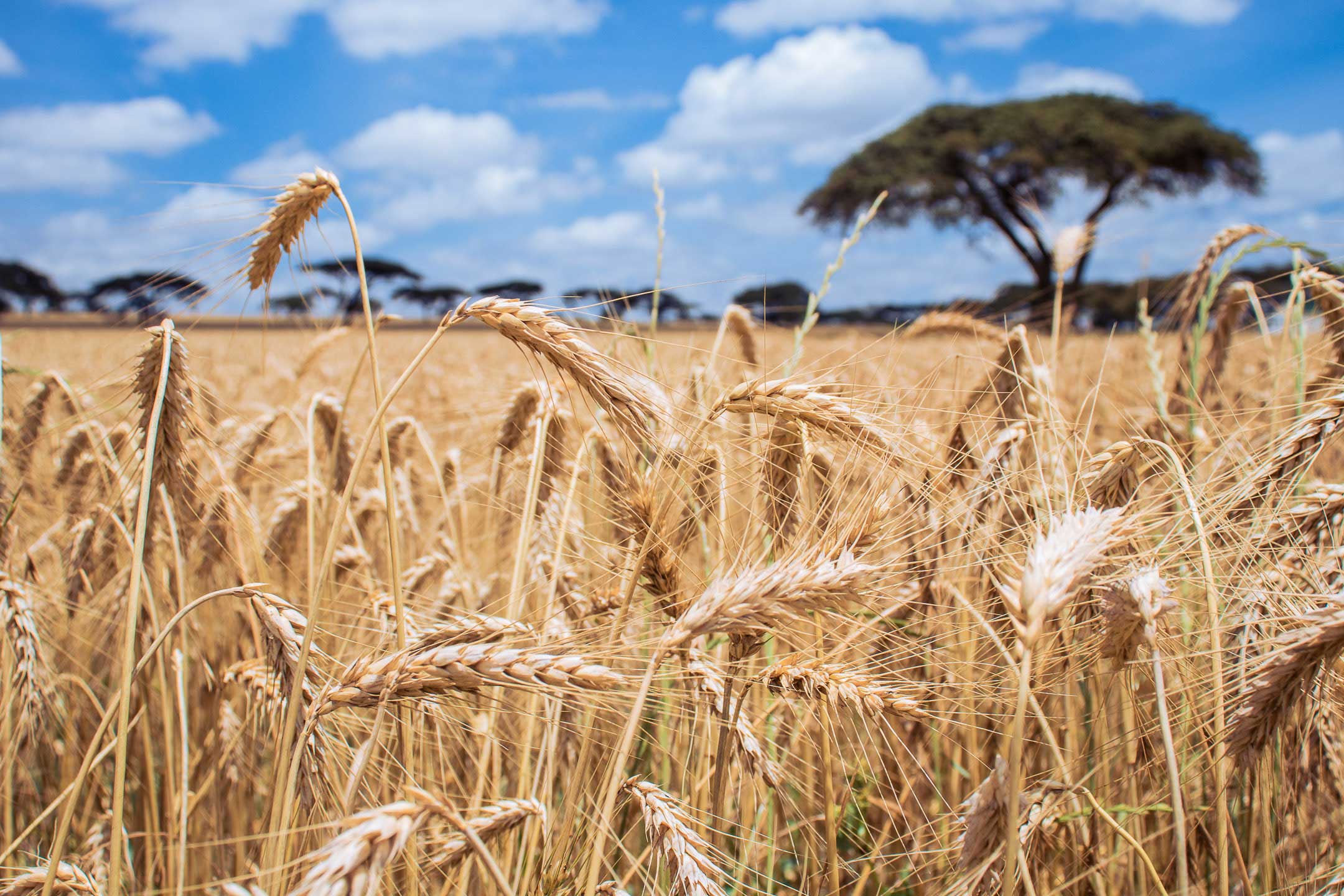
Most of the wheat used for food requires processing. In the milling process, the grain is cracked and then passed through a series of rollers. The smaller particles are sifted out and the bigger particles go through the roller process again for further reduction. On average 72 percent of the milled grain is recovered as white flour. The interesting bit about wheat is that, it is such a versatile crop that it is normally being harvested every month of the year in different parts if the world.
Quick Fact
In Kenya, wheat is the second most important cereal grain crop after maize. It is grown mostly for commercial purposes and planting is normally done at the onset of rains. The Seed rate ranges from 75-125kg per hectare depending on the variety of seeds.
Key Details
The main growing areas for wheat in Kenya are: Nakuru, Narok,Trans Mara, Laikipia, Uasin Gishu, Nyandarua, Meru Central, Trans Nzoia and Keiyo. Wheat is typically milled into flour which is used to make a wide range of foods.
Alternative uses of wheat.
The properties that make wheat suitable in food products also make wheat functional in non-food industrial applications. Some alternative use include;
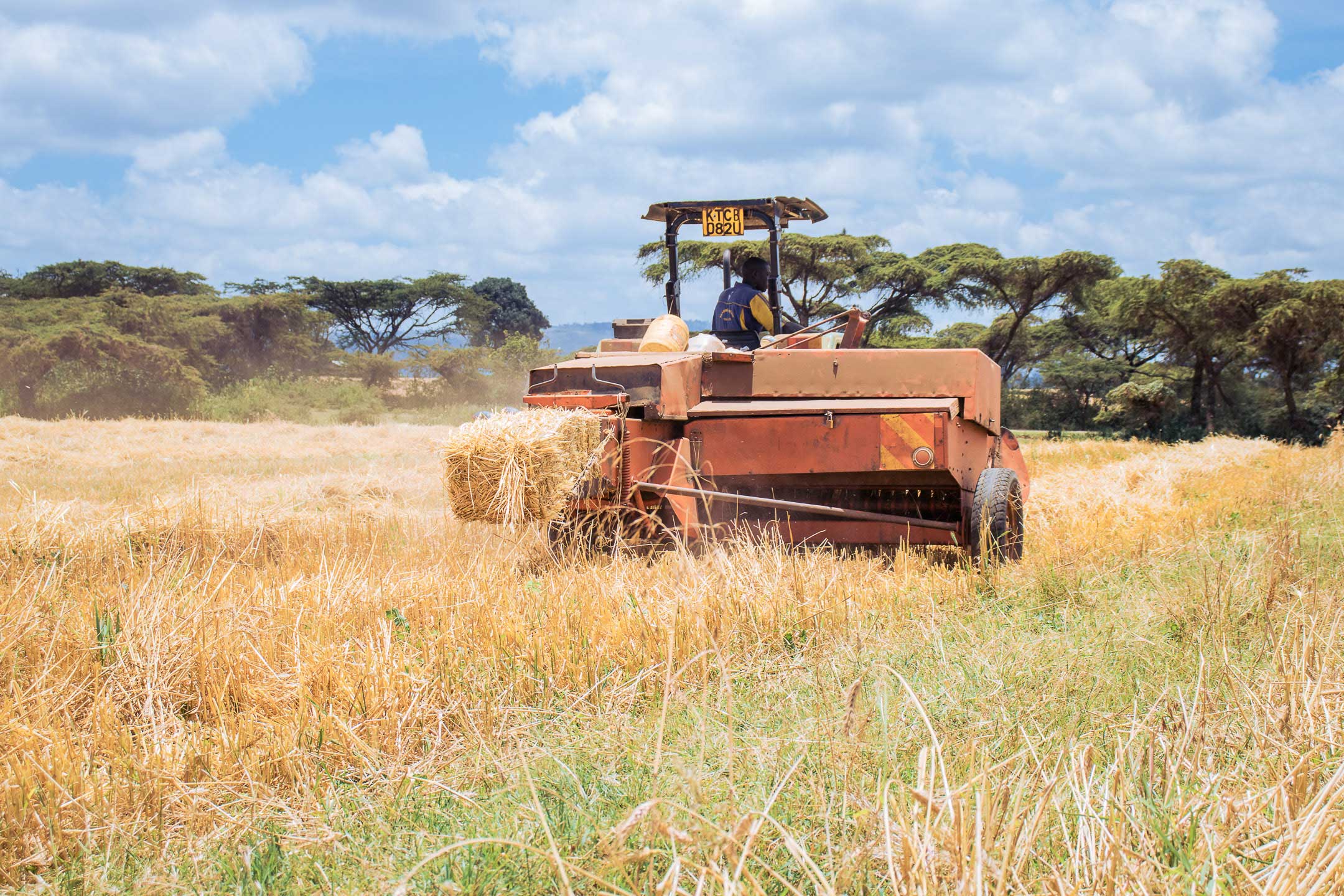
1. Straw Particle board (Wood) This is mostly used furniture and flooring.
2. Paper. Wheat starch is known for making paper stronger.
3. Adhesive commonly used on postage stamps.